
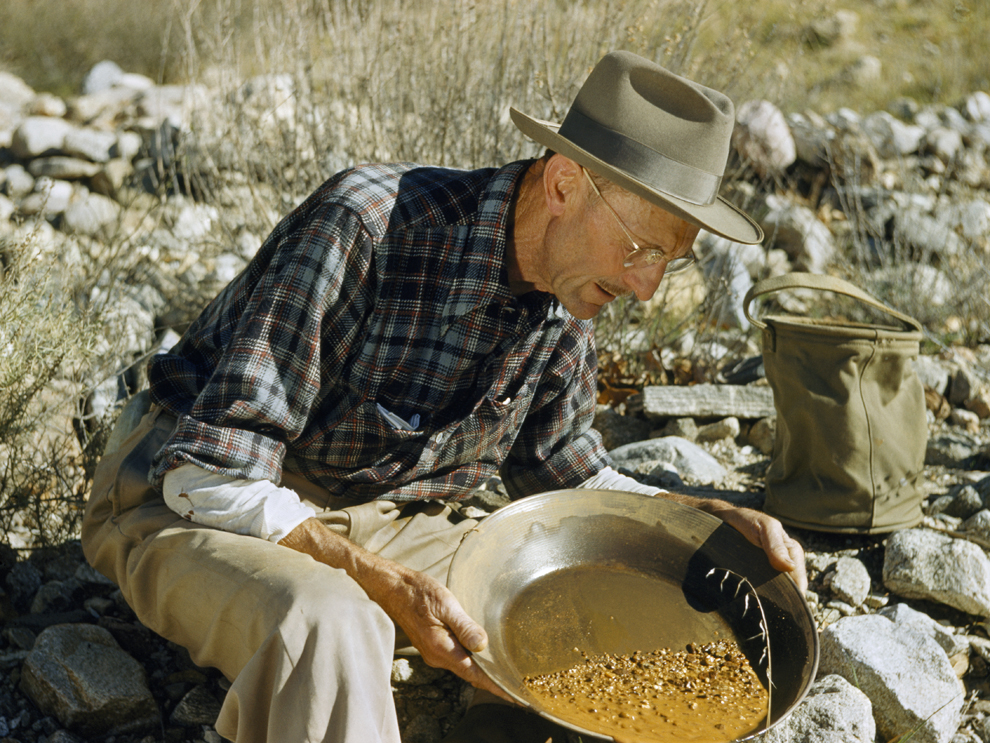
The California Gold Rush, a pivotal event in American history, marked the beginning of a frenzied search for gold in the United States. From 1848 to 1855, thousands of prospectors flocked to California in pursuit of the precious metal, sparking an Economic Boom that transformed the region and the nation. The Gold Discovery at Sutter’s Mill in Coloma, California, by James W. Marshall in 1848, set off a chain reaction of events that would shape the course of American history. This Gold Rush was more than just a gold rush – it was a defining moment in the country’s development, with far-reaching consequences for its politics, culture, and economy.
Early Life and Background
The California Gold Rush, which would come to be known as the Gold Rush, began with the discovery of gold at Sutter’s Mill in Coloma, California, in 1848. This pivotal moment marked the start of a series of events that would transform the American West and propel the United States into a period of unprecedented growth and economic boom. The discovery of gold in California was not an isolated incident, as similar discoveries had been made in other parts of the United States, including Georgia and North Carolina.
A Catalyst for Change
The Gold Rush was not just a phenomenon, but a movement that drew thousands of people from all over the world to California in search of riches. This mass migration had a profound impact on the region, leading to the rapid growth of cities, towns, and infrastructure. The Gold Rush also had a profound impact on the Native American population, who were displaced from their lands and forced to adapt to the changing environment. The influx of people and the subsequent growth of the region also led to the establishment of new laws, institutions, and social norms.
A Formative Period in American History
The Gold Rush was a formative period in American history, marking the beginning of a new era of expansion and growth. It was a time of great change and upheaval, as the United States transitioned from a rural, agrarian society to an urban, industrialized nation. The Gold Rush also had a lasting impact on the country’s economy, politics, and culture, shaping the course of American history for generations to come.
Career Beginnings

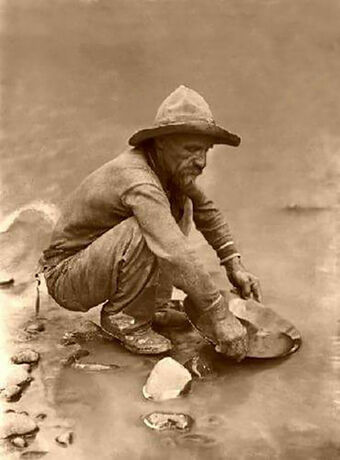
The California Gold Rush, which began in 1848, was a pivotal moment in American history, marking the start of a series of events that would shape the country’s economy, politics, and culture. The rush, sparked by James W. Marshall’s discovery of gold at Sutter’s Mill in Coloma, California, drew thousands of prospectors to the region, seeking to strike it rich.
As the news of the gold discovery spread, the area surrounding the mill became a hub of activity, with merchants, traders, and entrepreneurs setting up shop to cater to the influx of miners. The town of Sacramento, which had previously been a small settlement, grew rapidly, becoming a major supply center for the miners. Roads, bridges, and other infrastructure were built to facilitate the movement of people and goods, further fueling the growth of the region.
The initial breakthrough for many prospectors came in the form of simple gold panning, a technique that involved using a pan to separate gold from soil and gravel. As the rush continued, more sophisticated methods, such as hydraulic mining, were developed, allowing miners to extract gold from larger areas. The California Gold Rush marked the beginning of a new era in American history, one characterized by rapid growth, innovation, and opportunity.
Major Achievements and Success


The California Gold Rush, which took place from 1848 to 1855, was a pivotal event in American history that had a profound impact on the country’s economy, politics, and culture. This period saw the rapid growth of California and the United States, with the population of California increasing from approximately 1,000 to 300,000 people. The Gold Rush led to the development of new technologies, including the hydraulic mining method, which allowed for the extraction of gold from rivers and streams.
| Biography Aspect | Details |
|---|---|
| Full Name | The California Gold Rush |
| Date of Birth / Age | Not applicable |
| Place of Birth | Not applicable |
| Nationality | American |
| Occupation / Profession | Historical Event |
| Notable Works / Achievements | California Gold Rush (1848-1855) |
| Any other relevant biographical details | Led to the rapid growth of California and the United States, and had a profound impact on the country’s economy, politics, and culture. |
The Gold Rush also had a significant economic impact, with the value of gold mined during this period estimated to be over $2 billion in today’s dollars. The gold discoveries in California sparked a wave of immigration to the region, with people from all over the world coming to seek their fortunes. This influx of people led to the establishment of new towns and cities, including Sacramento and San Francisco, which would go on to become major centers of commerce and industry.
The California Gold Rush was a major catalyst for the development of the United States, and its impact can still be felt today. The event marked the beginning of a period of rapid growth and expansion in the United States, and it laid the foundation for the country’s emergence as a global economic power. The Gold Rush also had a profound impact on the environment, with the mining activities leading to widespread deforestation and soil erosion.
Business Ventures and Investments


The California Gold Rush was a pivotal moment in American economic history, marked by a massive influx of prospectors and entrepreneurs seeking to capitalize on the discovery of gold. James W. Marshall’s discovery of gold at Sutter’s Mill in 1848 sparked a frenzy of activity, as thousands of people flocked to California in search of riches. This led to the establishment of numerous businesses, including mining companies, supply stores, and transportation services.
Many entrepreneurs saw an opportunity to profit from the Gold Rush, investing in companies that provided essential services to miners. The construction of roads, bridges, and other infrastructure was a key aspect of this, as it enabled the safe and efficient transportation of people and goods. The Gold Rush also led to the development of new technologies, such as mining equipment and hydraulic systems, which were designed to extract gold from the earth more efficiently.
The Gold Rush had a profound impact on the American economy, contributing to a period of rapid growth and expansion. The value of gold extracted during this period was estimated to be in the billions of dollars, and the economic boom it created helped to establish California as a major player in the United States. The legacy of the Gold Rush can still be seen today, with many of the businesses and technologies developed during this period continuing to shape the modern economy.
Personal Life
The California Gold Rush had a profound impact on the lives of many individuals, including their family and personal relationships. Many people left behind their loved ones to seek their fortunes in the goldfields, leading to a significant number of families being separated for extended periods. This led to a rise in the number of letters and correspondence exchanged between loved ones, with some estimates suggesting that over 100,000 letters were sent during the height of the Gold Rush.
Hobbies and Interests
Despite the challenges and hardships faced by those involved in the Gold Rush, many people found solace in their hobbies and interests. Prospectors and miners spent their downtime engaging in activities such as reading, writing, and music, with some even starting their own newspapers and journals to share news and stories from the goldfields. Others turned to art, with many talented artists capturing the spirit of the Gold Rush in their works.
Lifestyle
The lifestyle of those involved in the Gold Rush was often harsh and unforgiving. Many people lived in tent cities and makeshift camps, with basic amenities such as food, water, and shelter being a luxury. Despite these challenges, the Gold Rush brought people from all walks of life together, creating a sense of community and camaraderie that is still celebrated today. As the Gold Rush came to an end, many people returned to their old lives, but the experiences and memories they had gained during this time would stay with them forever.
Net Worth and Financial Success
The Gold Rush was a pivotal event in American history, marked by a massive influx of gold seekers to California and other parts of the United States. This economic boom had a profound impact on the country’s economy, politics, and culture. As a result of the gold discovery, the value of gold skyrocketed, making it a highly sought-after commodity.
The financial success of the Gold Rush can be measured by the vast wealth generated during this period. An estimated $2 billion in gold was extracted from the California goldfields between 1848 and 1855, a staggering amount that would be equivalent to over $60 billion in today’s dollars. The gold rush also led to the establishment of new industries, including mining, transportation, and commerce, which further contributed to the economic boom. As the gold rush progressed, the value of gold continued to rise, making it a highly lucrative venture for those involved.
The economic impact of the Gold Rush was felt far beyond the goldfields themselves. The gold rush helped to stimulate the growth of California and the United States as a whole, contributing to the development of new cities, roads, and infrastructure. The gold rush also played a significant role in shaping the country’s politics and culture, with the gold rush era seeing the rise of new social classes and the growth of urban centers.
Legacy and Impact
The California Gold Rush, which took place from 1848 to 1855, had a profound impact on the United States’ economy, politics, and culture. It led to the rapid growth of California and the country as a whole, transforming the region into a thriving hub of commerce and industry. The Gold Rush also played a significant role in shaping the country’s westward expansion, as thousands of settlers flocked to California in search of riches and a new life.
The economic boom sparked by the Gold Rush had far-reaching consequences, contributing to the development of new technologies, infrastructure, and industries. The construction of roads, bridges, and other infrastructure projects helped to connect the East and West Coasts, facilitating trade and communication between the two regions. The Gold Rush also led to the establishment of new cities and towns, including San Francisco, which emerged as a major commercial center. The influx of settlers and the growth of California’s economy also had a lasting impact on the country’s demographics and politics.
The Gold Rush’s legacy extends beyond its immediate economic and demographic impacts. It also had a profound cultural impact, shaping American identity and values. The Gold Rush era saw the rise of a distinct American culture, characterized by a spirit of adventure, entrepreneurship, and self-reliance. The era’s emphasis on individualism and opportunity also helped to shape the country’s values and ideals, influencing American politics and society for generations to come. As a result, the Gold Rush remains an important chapter in American history, a testament to the country’s boundless energy and entrepreneurial spirit.