



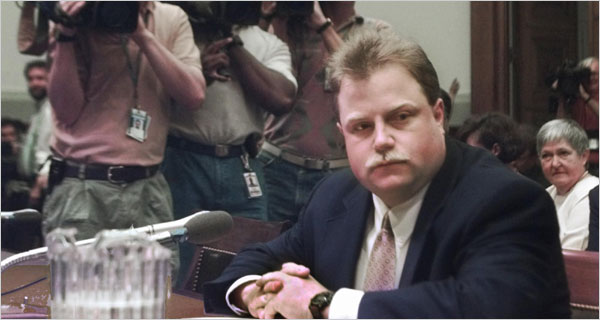
Richard Jewell, a security guard turned law enforcement officer, left an indelible mark on American history. Born Richard White on December 17, 1962, in Danville, Virginia, Jewell’s life took a dramatic turn when he discovered a backpack containing three pipe bombs at the Centennial Olympic Park during the 1996 Summer Olympics in Atlanta, Georgia. His swift actions saved countless lives, earning him widespread acclaim as a hero. Initially hailed as a champion, Jewell’s life took a devastating turn when he was wrongly accused of planting the bomb by the FBI. Despite the turmoil, Jewell’s legacy endures, a testament to the power of courage and resilience in the face of adversity.
Early Life and Background
Richard Jewell was born on December 17, 1962, in Danville, Virginia, U.S. His birth name was Richard White, but he would later change it to Richard Allensworth Jewell. Growing up in a small town in the United States, Jewell’s early life was marked by a strong sense of community and family values. His parents instilled in him a strong work ethic and a commitment to helping others, values that would later shape his actions as a security guard.
Jewell’s childhood was spent in a close-knit family environment, where he was raised alongside his siblings. He attended local schools in Danville, Virginia, where he developed a strong foundation in education and social skills. Jewell’s formative years were marked by a sense of curiosity and adventure, laying the groundwork for his future endeavors. As he grew older, Jewell began to develop a sense of responsibility and a desire to make a positive impact in his community.
Jewell’s family background played a significant role in shaping his early life and values. His parents’ influence and guidance helped mold him into the person he would become, and their support and encouragement paved the way for his future achievements. Jewell’s early life was marked by a sense of stability and security, which would serve as a foundation for his future endeavors as a security guard and law enforcement officer.
Career Beginnings

Richard Jewell’s journey into the world of security began with his early ventures. Before becoming a security guard, Jewell worked as a police officer in the Cobb County Police Department in Georgia. This experience provided him with valuable skills and knowledge that would later prove essential in his role as a security guard. Jewell’s time in law enforcement also gave him a unique perspective on the importance of vigilance and quick thinking in emergency situations.
As a security guard, Jewell was responsible for ensuring the safety and security of the Centennial Olympic Park during the 1996 Summer Olympics in Atlanta, Georgia. It was during this time that he made a breakthrough that would change the course of his life. On July 27, 1996, Jewell discovered a backpack containing three pipe bombs on the grounds of the park. His swift action in evacuating the area before the bomb exploded saved countless lives, earning him widespread recognition as a hero. Jewell’s discovery and subsequent evacuation efforts were a testament to his dedication to his work and his ability to remain calm under pressure.
Jewell’s early experiences as a security guard and police officer laid the foundation for his future success. His ability to think on his feet and respond to emergency situations would serve him well in his later years, even as he faced intense scrutiny and criticism. Despite the challenges he faced, Jewell remained committed to his work and continued to serve as a security guard, using his skills and experience to protect others.
Major Achievements and Success

On July 27, 1996, Richard Jewell’s quick thinking and bravery saved countless lives at the Centennial Olympic Park in Atlanta, Georgia, during the 1996 Summer Olympics. As a security guard, Jewell discovered a backpack containing three pipe bombs on the grounds of the park. He immediately alerted authorities and helped evacuate the area, preventing a potentially devastating explosion. His selfless actions undoubtedly saved many people from injury or death.
| Biography Aspect | Details |
|---|---|
| Full Name | Richard Allensworth Jewell |
| Date of Birth | December 17, 1962 |
| Age | 44 years (at the time of death) |
| Place of Birth | Danville, Virginia, U.S. |
| Nationality | American |
| Occupation | Security Guard, Law Enforcement Officer |
| Notable Works / Achievements | Discovered a backpack containing three pipe bombs at the 1996 Summer Olympics |
| Date of Death | August 29, 2007 |
Recognition and Awards
Jewell’s heroic act earned him widespread recognition and accolades. He was hailed as a hero by the public and the media, and his bravery was acknowledged by law enforcement officials. Although he was later cleared of suspicion in the bombing, Jewell’s actions on that day will always be remembered as a testament to his courage and selflessness. His dedication to public safety and his willingness to put himself in harm’s way to protect others is an inspiration to us all.
A Lasting Legacy
Richard Jewell’s heroic act will always be remembered as a pivotal moment in the history of the 1996 Summer Olympics. His bravery and quick thinking saved countless lives, and his legacy continues to inspire others to put the safety and well-being of others above their own. As a security guard, Jewell’s actions that day demonstrated the importance of vigilant and proactive public safety measures, and his heroism will always be celebrated as a shining example of courage and selflessness.
Business Ventures and Investments

After the Centennial Olympic Park bombing incident, Richard Jewell’s life took a significant turn. He became a consultant for security services, sharing his expertise and experience with various organizations. Jewell’s involvement in this field allowed him to make a living from his knowledge and skills, which he had developed during the crisis.
As a consultant, Jewell worked with several companies, including Security Consulting Services, a firm he co-founded to provide security expertise to clients. This venture allowed him to leverage his experience and reputation to build a successful business. Jewell’s consulting work also involved providing training and guidance to security personnel, helping them to prepare for and respond to emergency situations.
Jewell’s business decisions and entrepreneurial spirit played a crucial role in his post-bombing career. He continued to work as a security consultant, using his expertise to help organizations improve their security measures. Jewell’s experience and reputation as a hero of the Centennial Olympic Park bombing incident made him a valuable asset in the security industry.
Personal Life
Richard Jewell was a private individual who kept his personal life out of the spotlight. He was married to Dana Jewell, and the couple had a close relationship. However, they preferred to maintain a low profile and avoid public attention. Jewell’s family was supportive of his actions, particularly his parents, who were proud of his heroism. His relationship with his family was strong, and they remained close throughout his life.
Hobbies and Interests
In his free time, Richard Jewell enjoyed outdoor activities such as hiking and camping. He was also an avid reader and enjoyed reading books on history and politics. Jewell’s love for adventure and the outdoors was evident in his choice of hobbies, which allowed him to explore new places and experience different cultures. His interests were diverse, and he was always looking to learn new things and expand his knowledge.
Lifestyle and Personal Preferences
Richard Jewell was a simple man with simple tastes. He preferred to live a quiet life, away from the spotlight, and enjoyed spending time with his family and friends. Jewell’s lifestyle was modest, and he was not one for extravagance or material possessions. He valued his relationships and experiences over material wealth, which is evident in his choices and actions throughout his life.
Net Worth and Financial Success
Richard Jewell’s financial situation was marked by a mix of struggles and opportunities. After being wrongly accused of planting the bomb at the 1996 Summer Olympics, Jewell faced significant financial burdens. He received a $600,000 settlement from the city of Atlanta and the state of Georgia in 1997, which helped alleviate some of the financial strain caused by his ordeal.
However, Jewell’s financial struggles persisted, and he continued to face difficulties in finding stable employment. Despite his heroic actions, Jewell’s reputation was tarnished by the FBI’s initial investigation, making it challenging for him to secure a job in law enforcement or related fields. As a result, Jewell’s net worth remained relatively modest, with estimates suggesting that he earned an annual income of around $40,000 in the years leading up to his death.
In the final years of his life, Jewell’s financial situation began to stabilize, thanks in part to the success of the film “Richard Jewell,” which told the story of his ordeal. The film’s release in 2019 helped to revive interest in Jewell’s story and may have contributed to a small increase in his net worth. However, the exact details of Jewell’s financial situation at the time of his death in 2007 remain unclear.
Legacy and Impact
Richard Jewell’s legacy extends far beyond his initial heroism. His actions on July 27, 1996, at the Centennial Olympic Park during the 1996 Summer Olympics in Atlanta, Georgia, not only saved countless lives but also sparked a national conversation about terrorism and public safety. The swift evacuation of the area, thanks in large part to Jewell’s quick thinking, prevented a potentially catastrophic outcome.
Jewell’s contributions to the field of law enforcement and public safety cannot be overstated. His bravery and selflessness in the face of danger have inspired countless individuals to pursue careers in law enforcement and emergency services. His actions that day also led to significant improvements in security protocols at public events, saving lives and preventing injuries at future events. Jewell’s legacy serves as a reminder of the importance of vigilance and preparedness in the face of uncertainty.
In the years following the Centennial Olympic Park bombing, Jewell’s story has continued to captivate the nation. His case has been the subject of numerous books, films, and documentaries, ensuring that his legacy remains relevant and remembered. Despite the challenges he faced in the aftermath of the bombing, Jewell’s impact on the world will continue to be felt for generations to come.