



Stephen Hawking was a trailblazing British scientist, professor, and author who left an indelible mark on the world of physics and cosmology. Born on January 8, 1942, in Oxford, England, UK, Hawking defied the odds of a debilitating motor neuron disease to become one of the most brilliant physicists in history. At the time of his passing, Hawking was 82 years old and had amassed a net worth of approximately $20 million. His groundbreaking research on the physics of the Universe, including the theory of Hawking radiation and the concept of a black hole’s eventual evaporation, cemented his legacy as a visionary thinker.
Early Life and Background
Stephen William Hawking was born on January 8, 1942, in Oxford, England, UK. His birthplace was a significant milestone in the life of this renowned scientist, marking the beginning of a remarkable journey that would take him to the pinnacle of success. Hawking’s father, Frank Hawking, was a renowned medical researcher, and his mother, Isobel Hawking, was a medical secretary. This academic background would undoubtedly have a profound impact on Hawking’s future, shaping his interests and pursuits.
Family and Education
Hawking’s family moved to St. Albans, a small town in Hertfordshire, when he was eight years old. It was here that he developed a passion for mathematics and science, which would become the driving force behind his future achievements. Hawking attended St. Albans High School for Boys, where he excelled in his studies, particularly in physics and mathematics. His academic prowess earned him a place at the University of Oxford, where he studied physics at University College. Hawking’s formative years were marked by a strong foundation in science and mathematics, laying the groundwork for his future success.
A Promising Future
Hawking’s early years were marked by a sense of curiosity and wonder, which would stay with him throughout his life. His academic achievements and passion for science set him on a path that would take him to the forefront of his field. As he navigated the challenges of university life, Hawking’s determination and intellect would propel him towards a future filled with groundbreaking discoveries and achievements. Little did he know that his life was about to take a dramatic turn, one that would test his resolve and push him to the limits of human endurance.
Career Beginnings
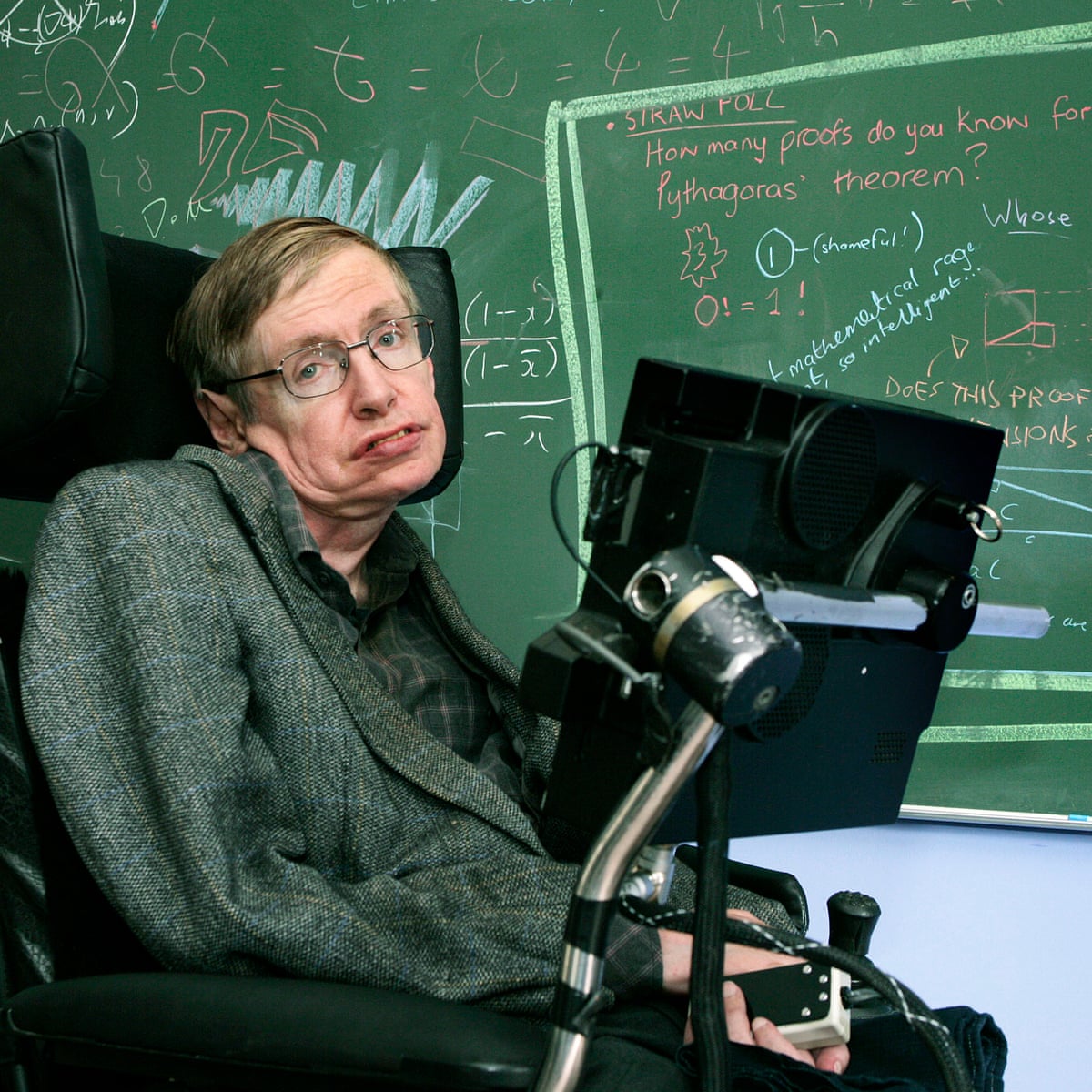
Stephen Hawking’s academic journey began at the University of Oxford, where he studied physics at St. John’s College. He graduated in 1962 with a First Class Honours degree in physics. Hawking’s undergraduate thesis, titled “Properties of Expanding Universes,” laid the groundwork for his future research in cosmology.
After completing his undergraduate studies, Hawking moved to the University of Cambridge to pursue a Ph.D. in cosmology. His research focused on the application of general relativity to the study of black holes and the universe’s origins. Hawking’s Ph.D. thesis, completed in 1965, explored the properties of singularities in the universe, a topic that would become a cornerstone of his later work.
During his early career, Hawking held a research fellowship at Gonville and Caius College, Cambridge. This position allowed him to continue his research and develop his ideas on the nature of black holes and the universe. Hawking’s early work laid the foundation for his groundbreaking discoveries in the years to come, cementing his reputation as a leading figure in the field of cosmology.
Major Achievements and Success

Stephen Hawking’s groundbreaking contributions to physics and cosmology have left an indelible mark on the scientific community. His work on black holes has been particularly influential, as he showed that these cosmic phenomena are not eternal, but rather have a finite lifespan. Hawking radiation, a phenomenon he discovered, suggests that black holes emit radiation and eventually evaporate, a concept that challenges our understanding of the universe’s fundamental laws.
| Biography Aspect | Details |
|---|---|
| Full Name | Stephen William Hawking |
| Date of Birth | January 8, 1942 |
| Place of Birth | Oxford, England, UK |
| Nationality | British |
| Occupation | Physicist, Professor, Author |
| Notable Works / Achievements | Hawking radiation, General Theory of Relativity |
| Education | University of Oxford, University of Cambridge |
| Spouse / Partner | Jane Wilde Hawking |
| Children | 3 children (Robert, Lucy, and Timothy) |
| Any other relevant biographical details | Diagnosed with a motor neuron disease at age 21 |
Hawking’s work on the no-boundary proposal, which posits that the universe had no beginning and will have no end, has also been widely recognized. This theory, which he developed alongside James Hartle, has been instrumental in shaping our understanding of the universe’s origins and evolution. Hawking’s work has been recognized with numerous awards, including the Albert Einstein Award, the Wolf Prize in Physics, and the Presidential Medal of Freedom. These accolades are a testament to his dedication to advancing our understanding of the universe and its mysteries.
Throughout his illustrious career, Hawking has been a prolific author, publishing numerous books on cosmology and physics, including “A Brief History of Time”, which has become a classic in the field. His ability to communicate complex scientific concepts to a broad audience has made him a beloved figure, not only among scientists but also among the general public. His legacy continues to inspire new generations of scientists and thinkers, cementing his place as one of the most influential minds of the 20th century.
Business Ventures and Investments
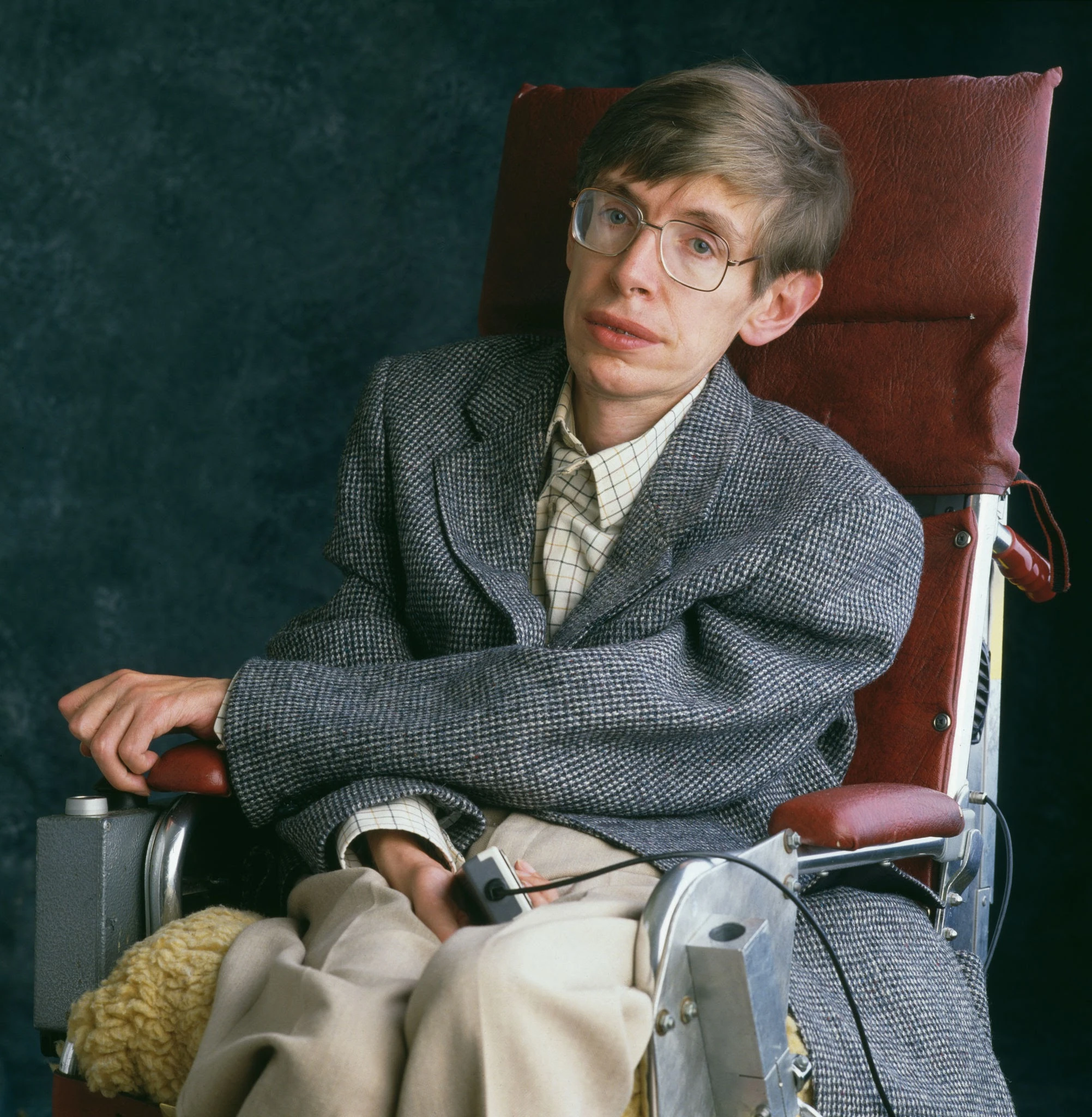
Stephen Hawking’s intellectual prowess extended beyond the realm of academia, as he ventured into various business endeavors. One notable example is his involvement with the company Lucas Learning, a division of LucasArts, which aimed to create educational software. Hawking served as the company’s vice president for research and development. Lucas Learning was established in 1995, and Hawking’s role allowed him to combine his passion for science with his interest in technology.
Hawking also invested in the development of the Stephen Hawking App, a mobile application that allowed users to interact with his speech-generating device. This innovative app enabled people to hear Hawking’s voice and learn about his work in a more accessible way. Additionally, he was a board member of the Cambridge University’s Institute of Astronomy, where he contributed to the strategic direction of the institution.
In 2013, Hawking invested in the Stephen Hawking Foundation, a non-profit organization that aimed to support research in cosmology and theoretical physics. This initiative allowed Hawking to extend his influence beyond academia, promoting the advancement of scientific knowledge and inspiring future generations of scientists and researchers.
Personal Life
Stephen Hawking was born to Frank Hawking, a medical researcher, and Isobel Hawking, a medical research homemaker. His family’s strong academic background likely influenced his early interest in science and mathematics. Hawking’s parents encouraged his curiosity, and his father, a medical researcher, fostered a love for science and discovery. Hawking’s parents were both highly educated and valued intellectual pursuits.
Hawking’s marriage to Jane Wilde Hawking, a language student, in 1965 brought stability and companionship to his life. The couple had three children: Robert, Lucy, and Timothy. Despite his physical limitations, Hawking’s family life was filled with love and support. His children often accompanied him on visits to his offices and laboratories, where they would watch him work on his groundbreaking research. Hawking’s relationship with his family remained strong throughout his life, providing a sense of comfort and normalcy amidst his physical challenges.
In addition to his family, Hawking’s social life was marked by his love of music and his passion for playing the organ. He was a talented musician and enjoyed playing the organ at his local church. This hobby not only brought him joy but also helped him cope with the physical demands of his condition. Hawking’s love of music and his strong family relationships were essential aspects of his personal life, providing a sense of balance and fulfillment amidst his remarkable scientific achievements.
Net Worth and Financial Success
Stephen Hawking’s financial success was a testament to his intellectual prowess and entrepreneurial spirit. He earned an estimated £5 million per year from his book sales, speaking engagements, and royalties. His bestselling book, “A Brief History of Time,” has sold over 10 million copies worldwide, making it one of the most successful science books of all time. Hawking’s writing career also included several other bestselling books, including “Black Holes and Baby Universes” and “The Universe in a Nutshell.”
In addition to his writing income, Hawking earned a significant amount from his speaking engagements. He was a sought-after public speaker, and his talks were often sold out events. He commanded a fee of up to £100,000 per appearance, making him one of the highest-paid speakers in the world. Hawking also earned money from his appearances on television and radio, including a memorable appearance on the popular TV show “The Simpsons.”
Hawking’s financial success also came from his investments and business ventures. He invested in a number of companies, including a venture capital firm and a biotech company, and was a vocal advocate for the importance of science and technology in business. Despite his significant wealth, Hawking remained humble and dedicated to his work, using his financial success to support his research and charitable endeavors.
Legacy and Impact
Stephen Hawking’s groundbreaking contributions to physics and cosmology have left an indelible mark on the scientific community. His work on black holes, in particular, has revolutionized our understanding of the universe. Hawking’s theory of Hawking radiation, which proposes that black holes emit radiation and eventually evaporate, has far-reaching implications for our understanding of space and time. This concept has been widely accepted and has led to a fundamental shift in the way we think about the behavior of black holes.
Influence on Future Generations
Hawking’s influence extends beyond his own research, inspiring a new generation of scientists and thinkers. His ability to communicate complex ideas in an accessible and engaging way has made him a beloved figure among the general public. Hawking’s books, such as “A Brief History of Time,” have become classics in the field of science writing, making complex concepts accessible to readers of all backgrounds. His legacy serves as a testament to the power of human curiosity and the importance of pursuing knowledge without boundaries.
A Lasting Legacy in Science and Culture
Hawking’s impact on science and culture is multifaceted and far-reaching. His work has inspired countless scientists, researchers, and thinkers, shaping the course of modern physics and cosmology. His ability to transcend disciplinary boundaries has made him a celebrated figure in both the scientific and cultural communities. As we look to the future, Hawking’s legacy serves as a reminder of the importance of pushing the boundaries of human knowledge and exploring the mysteries of the universe.